About the film (courtesy of Paramount Pictures):
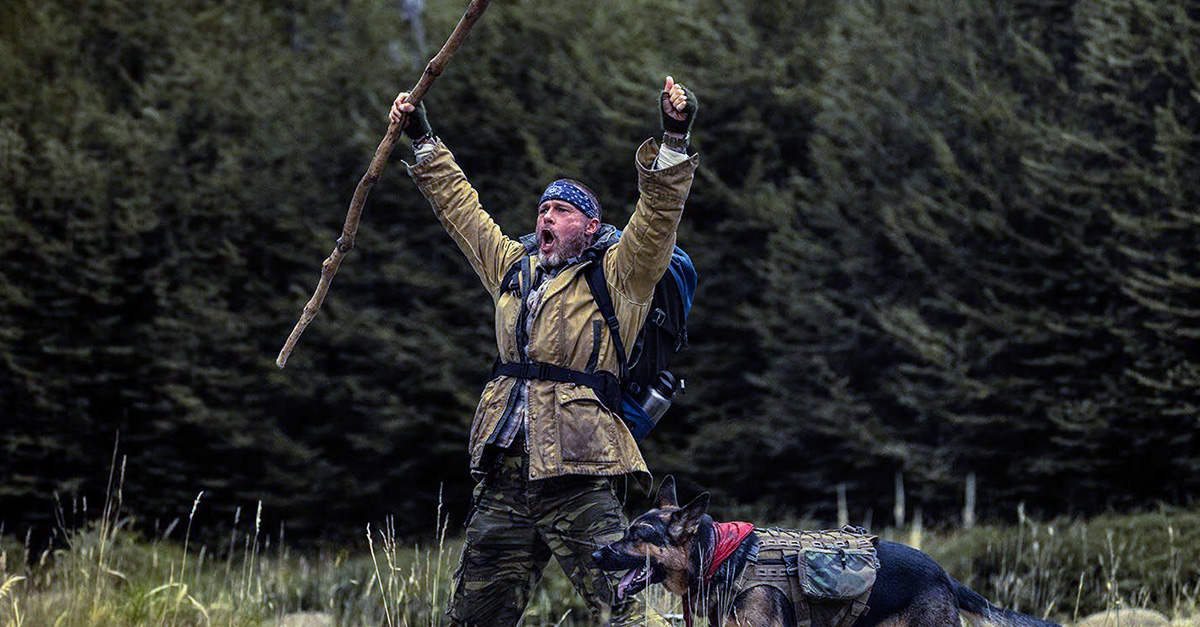
After a harrowing plane crash, Special Forces officer James Belmont (Brad Pitt) and his combat dog, Odin, find themselves stranded deep in the Alaskan wilderness. Together, they are forced into a brutal fight for survival against the elements.
From the very first trailer for Heart of the Beast, viewers likely sensed a need to brace their emotional fortitude for whatever the feature had in store. Across social media and search feeds, one pressing concern dominated discussions regarding the canine co-star: what happens to the dog? Audiences traumatized by tearjerkers like Marley & Me (2008) or the harrowing survival beats of I Am Legend (2007) know that putting a four-legged companion in harm’s way is the quickest shortcut to an emotional breakdown.
Fortunately, director David Ayer channels those anxieties into a pulse-pounding, remarkably grounded survival saga. The premise centers on a battle pitting man and hound against nearly every adversity imaginable. Rather than settling for cheap sentimentality, the journey cycles through raw tension, genuine levity, and heartbreaking vulnerability, gripping audiences from the initial drop to the final frame of Heart of the Beast.
Brad Pitt delivers a fierce, emotionally resonant performance as James Belmont, a never-say-die Special Forces veteran whose hardened exterior gradually peels away under extreme duress. Flanking him every step of the way is his German Shepherd companion, Odin (portrayed with astonishing screen presence by canine actor Uber). Odin is far more than mere tactical backup or a loyal sidekick; he serves as Belmont’s emotional anchor and moral compass. Throughout the brisk, unrelenting 101-minute runtime of Heart of the Beast, that bond forms the narrative’s beating heart, demonstrating an unspoken communication that rivals any dialogue-heavy drama.
The Alaskan wilderness that Belmont and Odin must traverse following a catastrophic air incident is terrifyingly treacherous at best. Glacial crevasses, sub-zero winds, and relentless predators turn the setting into an active antagonist, recalling the unforgiving environment seen in The Grey (2011). Ayer’s direction keeps the pacing remarkably tight, using natural lighting and bone-crunching sound design to ensure every freezing step carries palpable physical weight. To its testament, I was actually freezing in the theater. Whether this was convenient climate control or being completely sucked into the story, I had my hands in my sleeves and my shirt over my mouth. The struggle was real!
Watching this battle-tested pair refuse to surrender makes for pure, unadulterated cinematic adrenaline. Whenever injury or exhaustion threatens to end the journey, Belmont and Odin take turns pulling each other back from the brink. The visual storytelling captures those quiet, grueling moments where placing one foot—or paw—forward requires monumental courage. At its core, Heart of the Beast functions as a tribute to reciprocal devotion, proving that unconditional loyalty can illuminate even the darkest trials.
Memorable thrillers manage to hook the viewer in real time, but Heart of the Beast accomplishes something rarer: it lingers in the mind days after the screen fades to black. The sheer physical commitment from Pitt, combined with authentic, non-CGI animal work, elevates standard action beats into an inspiring testament to resilience. It is an electrifying cinematic ride that demands the biggest screen possible when it lands in theaters on Friday, September 25th.